Posts

Showing posts with the label Wedding traditions

The Tradition of Wearing a Bridal Veil

Image
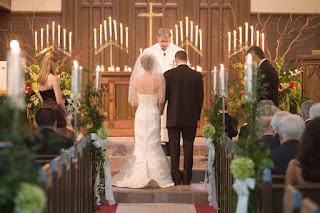
Do you know where or why this wedding tradition was started? Arranged marriages are often cited when discussing the origin of the wedding veil. When daughters were considered a commodity to their family, a marriage was a way of sealing agreements between families and increasing assets. A Bride and Groom would likely meet for the first time on their wedding day, at the altar. The veil was used to obscure the bride's features, only being lifted after the marriage ceremony was completed. This was to keep the groom from backing out from the deal if he didn't like what he saw. Some historians say that Ancient Romans were the first to incorporate the veil into the wedding ceremony, believing the bride was vulnerable to enchantment, so she must be hidden from evil spirits. The Romans veiled brides in flame -coloured veils to actually scare off those spirits who were jealous of her happiness and seeking to disrupt the union. In modern times, generally we have some ...

The Tradition of Wearing a White Wedding Dress

Image
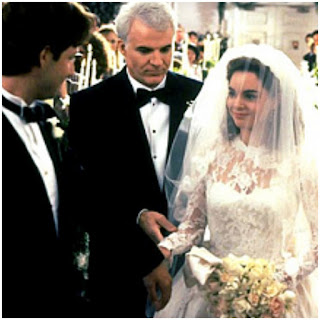
Do you know where or why this wedding tradition was started? Up until the 1800s, it was common practice for the bride to wear coloured wedding dresses and blue was the traditional colour of choice as it represents purity. It wasn't until 1840 in England when Queen Victoria wore a white  wedding dress for her marriage to Prince Albert that the tone was set for the next 150 years. Her white wedding dress is the one that started it all. Although brides continued to wear dresses of other colours, Queen Victoria’s decision to go with white became the top option for most brides and has been ever since.  The white wedding dress represents purity, just like the blue once did and has cemented itself as the go-to for brides. However coloured dresses are rising in popularity once again. Brought to you by Regal Creative Design Wedding and Events! Visit websites: Regal Creative Design Wedding and Events https://wedding-event-planning.business.site ...

The Tradition of Giving Away The Bride

Image
Do you know where or why this wedding tradition was started? The tradition of the father giving away his daughter has it's roots in the days of arranged marriages. Daughters in those times were considered their father's property until they were married, so it was his right to give his child to the groom, usually for a price called the "bride price" to compensate for the loss of having her work within the family. Nowadays the 'giving away' tradition has morphed itself in a more family-friendly ordeal, with the process taking on a sentimental meaning rather than a literal one. Some brides still like to incorporate their fathers in this way, whilst some like to involve their mothers as well. It is now also common practice for the bride to walk down the aisle on her own. Brought to you by Regal Creative Design Wedding and Events! Visit websites: Regal Creative Design Wedding and Events https://wedding-event-planning.business.site Reg...

The Tradition of Having Bridesmaids

Image
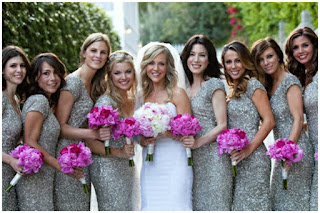
Do you know where or why this wedding tradition was started? The bridal party is a tradition that has been established for many centuries. For a long time the purpose of the bridal party was to fool evil spirits. As with many older traditions, the idea was that by dressing the bridesmaids exactly as the bride (creating lookalikes) it would confuse any troublesome spirit in the area. Today the bridesmaids are there for practical and emotional support in stressful times and are usually family members or close friends. Brought to you by Regal Creative Design Wedding and Events! Visit websites: Regal Creative Design Wedding and Events https://wedding-event-planning.business.site Regal Creative Design Venue Decoration https://creative-design.business.site Join us on Facebook Click here   Facebook Page Click here Facebook Group

The Tradition of Wearing a Wedding Ring

Image
Do you know where or why this wedding tradition was started? The story of wearing your wedding ring on the left hand can be traced back to ancient Roman and Greek times. Back in that day, the Romans believed that the vein in the ring finger (the fourth finger) on the left hand ran directly to one's heart. Because of this belief, they called that vein the "vena amoris" or vein of love. Naturally, to solidify a union based on love, they'd place the ring on that finger that has the vein of love to signify the romance the newly married couple shares. Western cultures have pretty much accepted this age old wives tale to be true, wearing the engagement and then the wedding ring on that left ring finger. However, many people in Europe, choose to wear their wedding ring on the right hand ring finger instead. Ultimately, the choice is yours as it's only a symbol of a marriage union. Brought to you by Regal Creative Design Wedding and Events! Visit websi...

The Tradition of Bride Standing on Groom's Left

Image
Do you know where or why this wedding tradition was started? In Ancient times, grooms had to defend their brides at the wedding ceremony. You know the part when they ask if anyone objects to the wedding? It used to be a whole lot more common for folks to object. Sometimes it was other suitors of the bride, sometimes it was her own family members. The groom historically stood to the right of the bride to keep his sword hand (usually his right hand) free. If anyone came to attack he could push the bride aside with his left hand and draw his sword with his right. Nowadays you can stand wherever you want, there are no hard and fast rules unless it conflicts with your faith somehow. As in the case of a Jewish ceremony, the bride is often on the right and the groom on the left. Brought to you by Regal Creative Design Wedding and Events! Visit websites: Regal Creative Design Wedding and Events https://wedding-event-planning.business.site Regal Creative Desig...

The Tradition of Having a Best Man

Image
Do you know where or why this wedding tradition was started? In ancient times, men sometimes captured women to make them their brides, so a man would take along his strongest and most trusted friend to help him fight resistance from the woman's family. This friend would be considered the best man, but the “best” in best man really referred to the quality of a man’s swordsmanship than anything else. Weddings in Anglo-Saxon England had the best man accompany the groom up the aisle to help defend the bride. Today the best man has no such worries, his role is certainly not one of a warrior but for emotional support instead. Brought to you by Regal Creative Design Wedding and Events! Visit websites: Regal Creative Design Wedding and Events https://wedding-event-planning.business.site Regal Creative Design Venue Decoration https://creative-design.business.site Join us on Facebook Click here   Facebook Page Click here Facebook G...

The Tradition of Tossing the Bouquet

Image
Do you know where or why this wedding tradition was started? Tossing the bouquet is a tradition that stems from England hundreds of years ago. Back then it was considered very good luck to touch the bride and even better luck to rip a piece of the bride's wedding gown, veil or bouquet, since she was considered the pinnacle of being blessed. To avoid a ruined dress and the stress of being physically grabbed, brides began throwing their bouquets to distract their guests, while she and her husband made there escape for the honeymoon. The guests were totally happy with grabbing the flowers, as it was believed that whoever managed to snag the bouquet was obviously going to get married soon. Eventually the bride and dress grabbing tradition died down as a result of this new sneaky trick and guests began to calmly wait for the bouquet to be tossed. Today the bouquet is tossed to single women with the belief that whoever catches it will be the next to marry. ...

The Tradition of Having a Wedding Cake

Image
Do you know where or why this wedding tradition was started? Wedding cakes weren’t originally eaten but thrown at the bride for fertility luck. In fact, In ancient Rome, marriages were sealed when the groom smashed a barley cake over the bride’s head. Anyway, getting cake smashed on your head was probably preferable to eating it because early wedding cakes weren’t exactly tasty. But, by the mid-sixteenth century nicer tastier cakes were being made. The nice cakes stopped all the cake smashing and inspired more cake eating. Brides of the early 1900s notably had a cake that resembled fruitcake. The origin of the tiered wedding cake started in Anglo-Saxon times. Guests would bring small cakes to the wedding and stack them on top of each other. Later, a clever French baker created a cake in the shape of small cakes and covered it in frosting. It is now known as the tiered wedding cake. Brought to you by Regal Creative Design Wedding and Events! Visit websit...